
Resource Hub
Casual and Drop-In Childcare in NZ: Your Complete Guide
Published · Last updated · 9 min read

What is casual and drop-in childcare in NZ?
Casual or drop-in childcare in NZ means using a licensed centre, playgroup, or home-based provider for ad hoc sessions without a fixed weekly enrolment. The 20 Hours ECE funding does not apply to casual care, but the WINZ Childcare Subsidy can cover costs if the provider is licensed. Availability is limited, so it suits occasional needs rather than a regular arrangement.
Childcare Without the Commitment
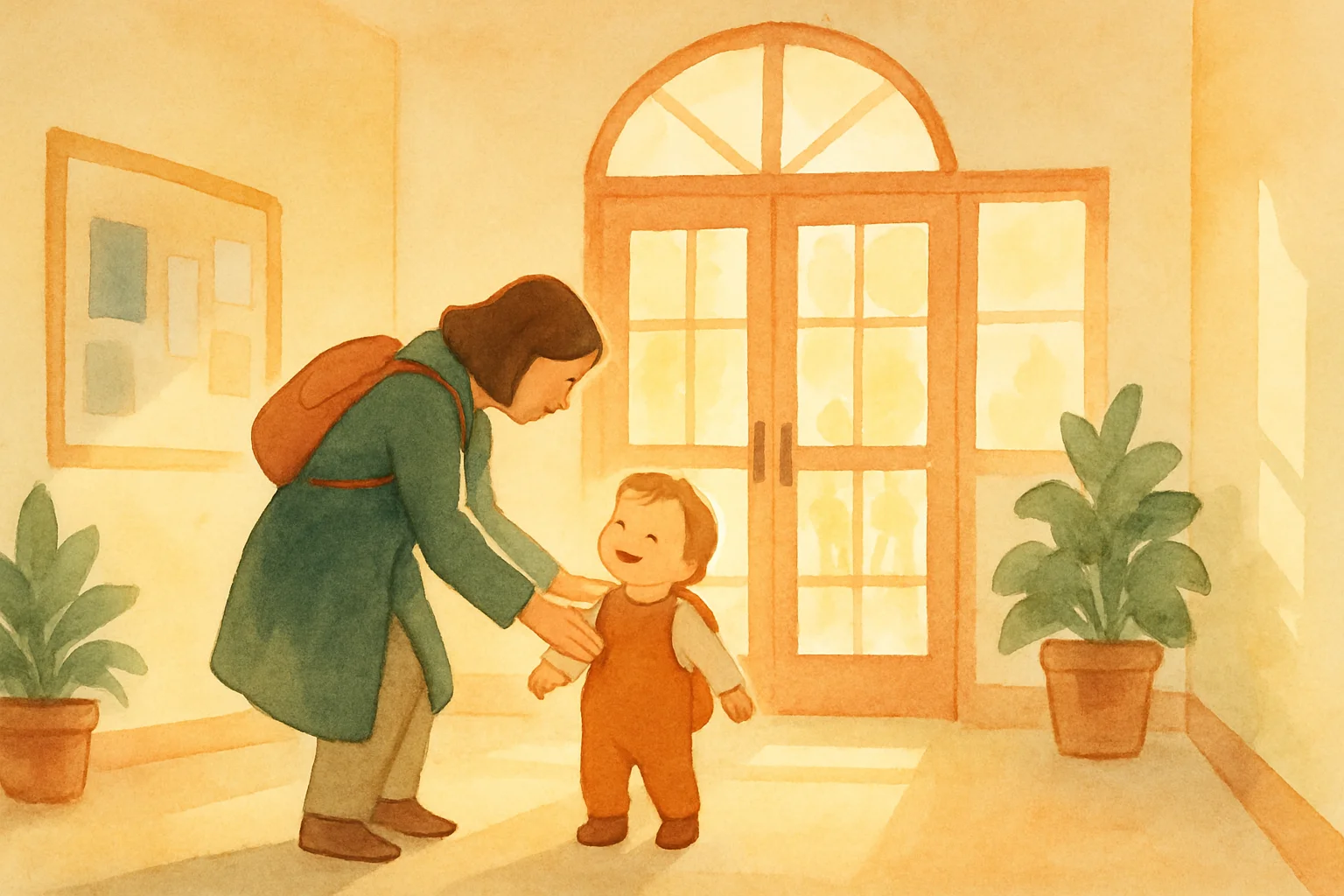
Most parents think of childcare as something you sign up for and stick to, locked into two or three days a week. But there is another option: casual or drop-in care, where you pay for sessions as you need them without any ongoing enrolment.
In New Zealand, this type of care is less common than it sounds. Not every centre offers it, subsidies work differently, and availability tends to be tight. That said, for the right situation, it can be exactly what a family needs.
Video
What Counts as Casual Childcare?
Casual childcare means attending a service without a fixed, recurring booking. Instead of committing to every Monday and Wednesday, you contact the provider when you need a session and they fit you in if there is space.
It differs from enrolled care in a few ways. Enrolled children get consistent sessions, a regular kaiako (teacher) relationship, and priority when it comes to spots. Casual children are accommodated around that, which is why availability can be patchy, especially at popular centres.
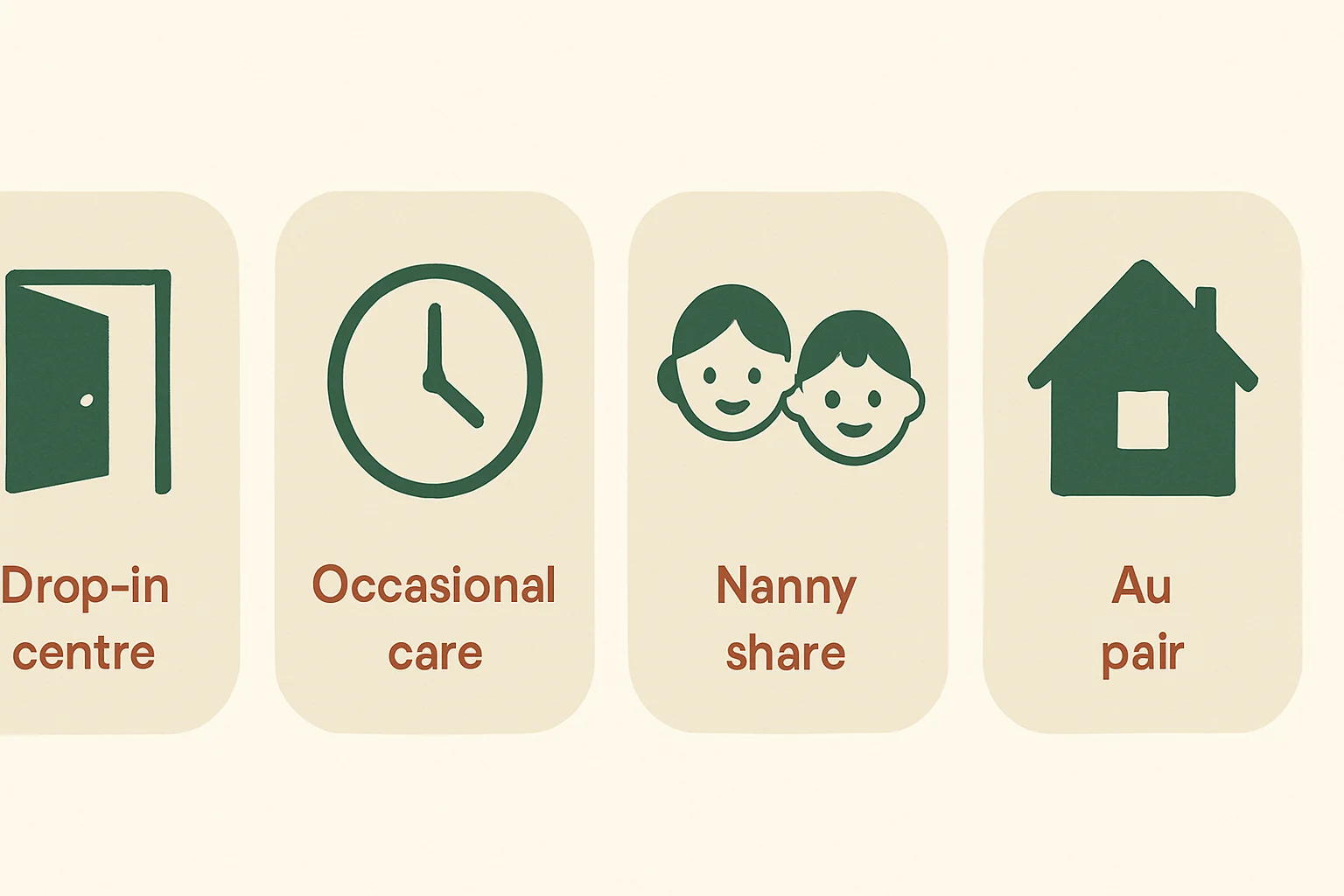
Some providers use the term occasional care interchangeably with casual. The key question is whether you have a fixed schedule, not what the provider calls it.
Where Can You Find Casual Care in NZ?
Casual care turns up in a few different places across the NZ childcare sector. The experience, cost, and licensing requirements vary considerably between them.
- Education and care centres (daycare): some centres keep a small number of casual slots each week to fill gaps in their roll. Ring ahead and ask; many will not advertise this publicly.
- Home-based providers (PORSE, Barnardos, Evolve): coordinators sometimes have home-based educators with spare capacity who can take casual bookings. Rates typically run $8–$15/hour.
- Playcentres: parent-run, session-based, and open to casual attendance at many locations. Sessions run 2.5–4 hours. Costs are low, often $30 or less per term as a donation.
- Playgroups: loosely structured, usually not licensed as ECE services. Good for socialisation but do not count as licensed care for subsidy purposes.
- Hospital and workplace creches: attached to hospitals, universities, and some larger employers. Designed specifically for casual use when parents have appointments or meetings. These are often the most purpose-built casual option.
- Gym creches: short sessions while a parent exercises, usually capped at 1–2 hours. Licensed requirements vary. Ask the gym directly whether their creche holds an ECE licence.
- Care platforms (Caresies, etc.): online platforms connecting parents with vetted individual carers for ad hoc bookings. Available mainly in Auckland, Wellington, and Christchurch. Not ECE-licensed, so subsidies do not apply.
What Does Casual Childcare Cost in NZ?
Casual care is almost always more expensive per session than enrolled care, because providers carry more risk without a guaranteed income from your spot. There is no fixed price list for casual care in New Zealand, but the ranges below reflect what most families encounter.
| Care Type | Typical Cost (2025-26) | Subsidy Options |
|---|---|---|
| Education and care centre (casual slot) | $80–$130 per day | WINZ Childcare Subsidy (if licensed) |
| Home-based provider | $8–$15 per hour | WINZ Childcare Subsidy |
| Playcentre | $30 or less per term | WINZ Childcare Subsidy |
| Hospital/workplace creche | $5–$15 per session (often subsidised by employer/DHB) | Varies by employer |
| Gym creche | $5–$12 per session | Generally none (not ECE-licensed) |
| Care platform (Caresies etc.) | $20–$35 per hour | None (not ECE-licensed) |
Why casual care costs more
Do the 20 Hours ECE or FamilyBoost Apply?
This is the question most parents get wrong. The 20 Hours ECE funding (free early childhood education for 3 and 4-year-olds, up to 20 hours per week) is only available to children enrolled in a licensed, teacher-led centre on a regular basis. Ad hoc or drop-in attendance does not qualify.
Similarly, FamilyBoost (the childcare tax rebate introduced in 2023) requires receipts from approved ECE services where your child is enrolled. You cannot claim it for casual sessions at an unlicensed gym creche or a care platform.
The practical result: for most casual care arrangements, you are paying the full rate out of pocket.
Unlicensed casual care = no government help
Can WINZ Childcare Subsidy Help With Casual Care?
Yes, with conditions. The WINZ Childcare Subsidy is available for licensed ECE services, which includes playcentres, licensed playgroups, creches, and some home-based providers.
If you are not working or studying, you can receive the subsidy for up to 9 hours per week. If you are working, studying, or in training, this rises to up to 50 hours per week depending on your hours and household income.
The subsidy is income-tested, so the amount you receive depends on how much you earn. Families on lower incomes can receive up to 100% of the approved rate covered.
Casual care through a licensed provider counts. The key is checking that your provider holds a current licence from the Ministry of Education. You can verify this on educationcounts.govt.nz.
When Casual Care Makes Sense
Casual care is not meant to replace enrolled care for families who need regular cover. It works well in specific situations:
- Medical appointments: a hospital creche lets you bring your child while you attend a clinic or procedure without needing to arrange a babysitter
- Exercise and fitness: gym creches are built for this; your child is supervised for an hour while you work out
- Emergency backup: your regular centre is unexpectedly closed, your nanny is sick, or your roster changes last-minute
- Irregular shifts: parents in hospitality, healthcare, or retail with unpredictable hours sometimes cannot commit to fixed enrolment days
- Trial run: some families use casual sessions to test a new centre before committing to enrolment
- Parental study: short daytime sessions while one parent attends a course, exam, or training
Using casual care as a bridge
How to Find Casual Childcare Near You
There is no central directory specifically for casual care in New Zealand, which makes it harder to find than enrolled care. These steps will get you there:
- Use the Ministry of Education service finder to list all licensed ECE services near you. Filter by type (education and care, home-based, playcentre) and note the ones within easy distance.
- Ring them directly and ask. Do not email, as casual enquiries often slip through. Ask specifically: 'Do you take casual bookings, and how does the process work?' Some will say yes; many will say no.
- Check if your local hospital has a creche. Many public hospitals in New Zealand run free or low-cost creches for patients and staff. Call the hospital reception and ask.
- Look up your nearest playcentre. Playcentre Aotearoa has a finder tool. Playcentres are generally welcoming of new families and often the lowest-cost option.
- Search The Parent Circle. You can browse all 4,394+ licensed providers and filter by location and type to identify options near you.
- Try Caresies or similar platforms for vetted individual carers if your need is truly ad hoc and you are not chasing government subsidies.
Questions to Ask Before You Drop Off
Dropping a child at a new place with unfamiliar adults and children is a bigger deal for the child than it may feel for you. Before you commit to a casual booking, get clear on a few things:
- How do you handle settling? A good centre will give you time to stay while your child adjusts, even for a short casual session.
- What is your staff-to-child ratio for casual children? The legal minimum is 1:5 for under-2s and 1:10 for over-2s. Ask directly.
- Are all staff qualified? Licensed centres must meet minimum teacher qualification requirements. Ask what percentage of their team holds an ECE qualification.
- Do you hold a current MOE licence? Ask for the licence number and verify it on educationcounts.govt.nz if you want to be thorough.
- What is your illness/exclusion policy? Casual care increases exposure to new germs. Know when they will send your child home and what you are expected to do.
- What do I need to bring? Pack list varies by session length. Nappies, spare clothes, sunscreen, formula, and a favourite comfort item cover most scenarios.
- What happens if my child is upset and will not settle? Know the protocol before you walk out the door.
Common Concerns About Casual Care
Parents tend to have three main worries about casual care.
Trust and quality
You are handing your child to strangers. A licensed centre has passed MOE inspections and met staffing standards. An unlicensed individual carer has not. Use the Education Review Office reports to check whether a centre has had recent reviews and what they found before you book.
Settling without routine
Children thrive on predictability. A child who only goes occasionally will not build the same familiarity with the environment, other children, or staff. If your child finds change hard, expect tears at drop-off even after multiple casual visits. This does not mean something is wrong; it just takes longer when attendance is irregular. A short settling-in time at the start of each session helps.
Illness risk
Group care settings carry higher illness exposure regardless of whether your child is enrolled or casual. The risk is the same either way: close contact with multiple children spreads respiratory viruses, gastro, and hand-foot-mouth quickly. Keep your child home if they show symptoms, and expect the same from other families. Most centres will send children home with a temperature above 38°C.
Licensing and Safety: What the Law Requires
Any provider offering group care to children must be licensed under the Education (Early Childhood Services) Regulations 2008. This applies whether they offer enrolled or casual care.
Licensed services must maintain staff-to-child ratios, meet minimum teacher qualification requirements, follow health and safety standards, and submit to ERO reviews. The Ministry of Education monitors compliance.
Unlicensed care (private nannies working in your home, informal babysitters) is exempt from these regulations but also ineligible for any government subsidies. If you are dropping your child at a facility or centre, it should be licensed. If it is not, that is a serious flag.
Frequently Asked Questions
Can I use casual childcare every week without enrolling?
Yes, if the provider allows it. Many centres reserve a small number of casual slots per week and fill them on a first-come, first-served basis. However, availability is not guaranteed, so you cannot rely on casual care as a consistent weekly arrangement the way you can with enrolled care.
Does the 20 Hours ECE apply to casual childcare?
No. The 20 Hours ECE funding is only available to children aged 3–5 who are regularly enrolled in a licensed, teacher-led ECE service. Casual or drop-in attendance does not qualify, even at a centre that is otherwise approved for 20 Hours ECE.
Can WINZ help pay for casual childcare?
Yes, if you use a licensed ECE provider. The WINZ Childcare Subsidy covers up to 9 hours per week if you are not working or studying, and up to 50 hours per week if you are working or studying. The subsidy is income-tested. Unlicensed care (gym creches, care platforms) does not qualify.
How do I know if a casual care provider is licensed?
Search the Ministry of Education's service finder at educationcounts.govt.nz. Every licensed ECE service in New Zealand is listed there. You can search by name or suburb and check whether the service holds a current licence.
Is casual care safe for very young children?
Licensed providers must meet the same safety and ratio standards regardless of whether your child is casual or enrolled. For infants under 2, the legal minimum ratio is 1:5. A reputable centre will give you time to settle your child before you leave, even for a short session.
What is the difference between a playgroup and casual childcare?
Playgroups are typically parent-run social sessions and are not usually licensed as ECE services. Casual childcare at a licensed centre involves qualified staff and meets government safety standards. Playgroups are good for socialisation but do not count for WINZ subsidy purposes unless specifically licensed.
Casual care fills a genuine gap for families with unpredictable schedules or occasional needs. The trick is knowing what you are getting: licensed providers are regulated and subsidy-eligible, unlicensed options are cheaper but unprotected. If you are comparing your options across all types of care, the full guide to Types of Childcare in NZ covers the complete picture, and you can search all 4,394+ licensed providers near you on The Parent Circle.
Find Casual Childcare Near You
Browse every licensed ECE provider across New Zealand. Filter by location, type, and availability.
Search ProvidersRelated guides
Childcare for Twins and Multiples in New Zealand
A practical guide to finding childcare for twins and multiples, with questions on places, routines, staffing and support.
Age-by-Age Guide: When Is the Best Time to Start Childcare?
There is no universal best age to start childcare. This NZ guide helps you weigh your child, care quality and family timing at every stage.
Kindergarten in NZ: Free ECE Explained (2026)
Kindergarten can be low-cost or free for 3–5 year olds in NZ. Learn how 20 Hours ECE works, what optional charges mean, and how to enrol.
Te Kōhanga Reo: Māori Language Immersion ECE in NZ
Te Kōhanga Reo is Māori language immersion early learning. Learn how it works, who it suits, costs, subsidies, and how to enrol in NZ.
Find childcare near you
Search and compare providers by suburb, care type, cost, and availability.